Homepage
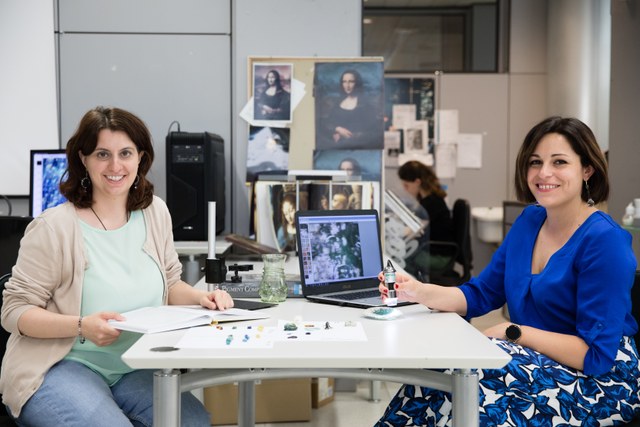
For general enquiries and more information about the course
The Doctorate in Cultural and Environmental Heritage brings together the humanistic, scientific and legal disciplines for the study, protection and enhancement of cultural and environmental heritage through the practical application of their diverse methodologies.
There are two study pathways to choose from: you can either research the care of heritage assets, tangible and intangible heritage, the landscape, cities and the environment, or the development of technologies, materials and methods used in the conservation of tangible cultural heritage.
The places where you will do research
An overview of locations, laboratories, and resources.

The doctoral teaching calendar for March-June 2026 is available.
Go to the page to view or download the calendar.
Go to pageSpotlights
Advanced Master in Structural Analysis of Monuments and Historical Constructions
Applications are open up to July 20, 2026
Call for Abstracts of the Doctoral Conference “Limina et interstitia: Declensions of caesura and transition in humanistic research”
Submission deadline: 1 September 2026
Summer School Transferable Skills: “Comunicare la scienza e il valore della ricerca”
Applications must be received by email by Tuesday 28 July with a cover letter and CV.
Call for Premio Elisa Debenedetti
The call is open to any theme related to the Italian and European eighteenth century.
Seminar on "Rilke and the Contemporary Poetic Landscape"
The N. Sapegno Foundation is organizing the Rencontres de l'Archet, a residential advanced training seminar from September 14 to 19, focusing on "Rilke and the Contemporary Poetic Landscape."
Transferable skills: key tools for education and work
From entrepreneurship to AI, from digital media to active citizenship, from communication and public engagement to employability: enroll now.
Which Encyclopedias and Libraries for the Future
From 25 to 27 March, take part in the Seasonal School of the Collegio Superiore, focused on the tools of research and of scientific, cultural, and political production and communication.
Experiences and initiatives
From Oman to Italy: Anthropology and Isotopes to Investigate the Ancient Populations of Dhofar
The International Association for the Study of Arabia funded the isotopic geochemical analysis of soils and the study of the mobility of the pre-Islamic peoples of Dhofar conducted by BonesLab.
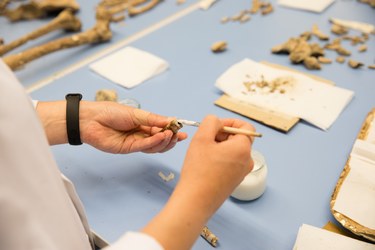
Archaeological Excavations: Ongoing Projects
Fieldwork activities involve PhD students in various archaeological contexts, adopting an integrated approach that combines traditional investigation methods with digital technologies.
Meet Anna Forte PhD Student - High-precision Geomatic surveying for Cultural Heritage assets
Anna Forte, a PhD student at the DICAM Department, discusses her doctoral research in advanced geomatic techniques applied to cultural heritage.
Highlights
-
Vedi dettagli
Events in the Department of Cultural Heritage
Updates on seminars, meetings, presentations, conferences and more Go to page -
Vedi dettagli
ISA - Institute of Advanced Studies Events
Seminars, conferences, workshops and presentations organised by the Institute for Advanced Studies. Go to page -
Vedi dettagli
Stories and initiatives
The university’s Instagram profile dedicated to outreach events and initiatives, stories of researchers, and places of research and culture. Go to page
-
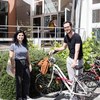
Ravenna Campus
An international environment that offers opportunities for growth and cultural exchange.
-
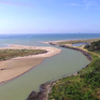
Environment and Sea Topic Group
An Alumni group bringing together those interested in the theme “Environment and Sea”.
-

.doc - News and resources for PhD students
News and resources for the doctorate: DOCtraining, DOCmemo, DOCopportunities